
A custom liquor bottle can strengthen a spirits brand, but the project moves faster when the packaging brief is clear from the start. Before asking for a quote, decide how the bottle should perform, look, close, ship, and fit your target market.
This seven-part checklist will help you compare options and give a bottle supplier the information needed to recommend a practical solution.
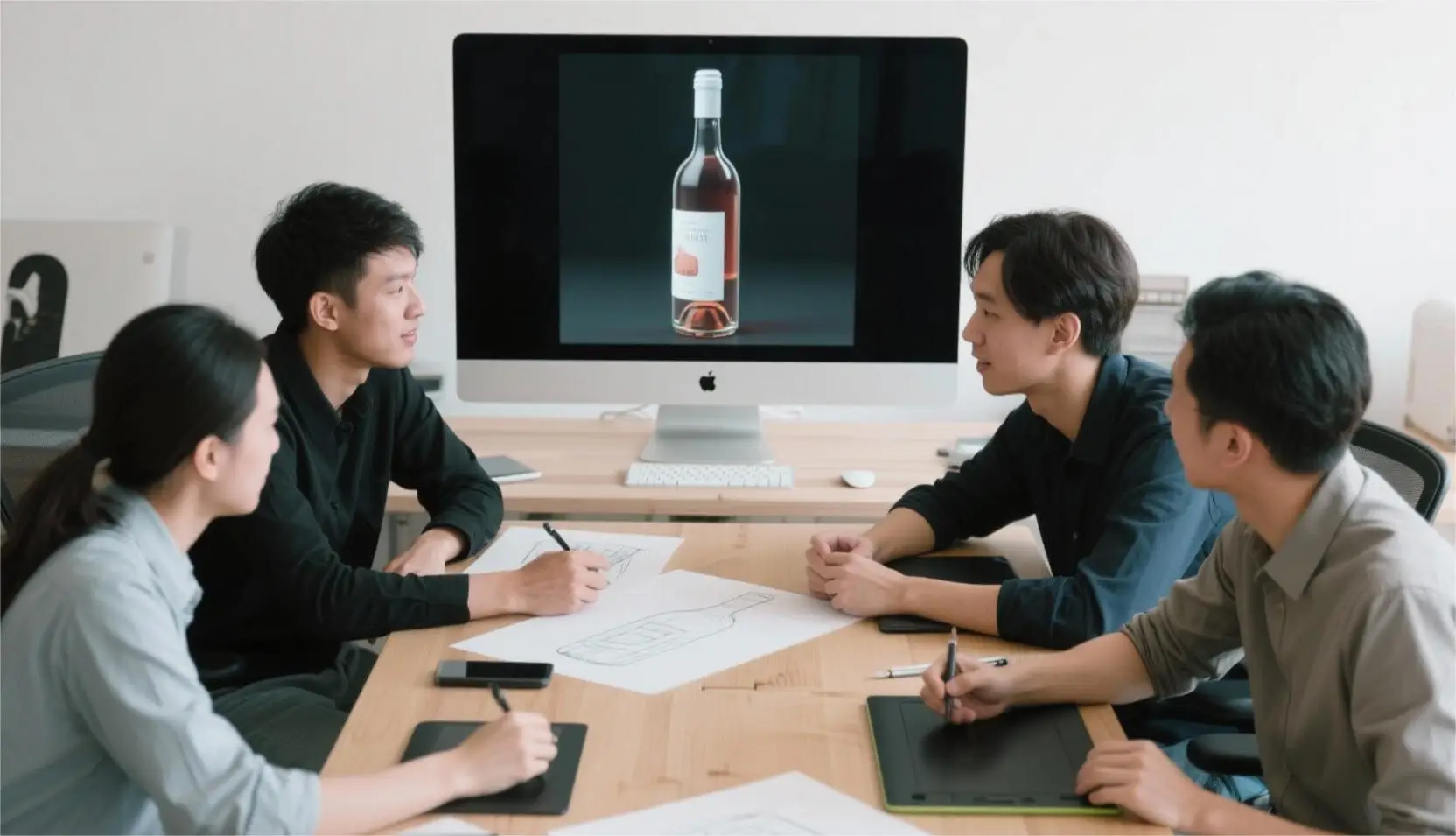
1. Choose Glass or Ceramic for the Bottle
Material is the first decision because it affects appearance, weight, decoration, closure design, and the way customers experience the spirit.
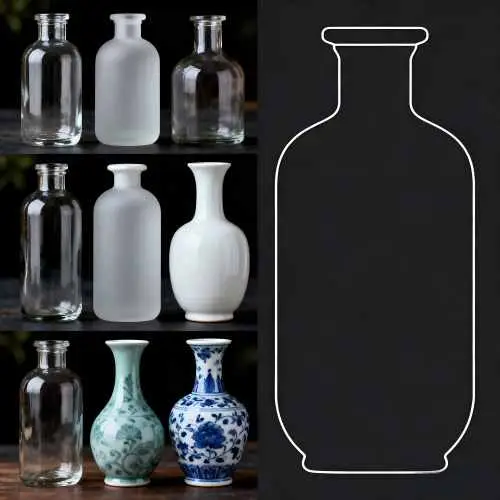
Glass liquor bottles show the color and clarity of whiskey, gin, rum, vodka, wine, and other products. Clear, colored, frosted, and coated surfaces can support styles ranging from modern and minimal to highly decorative.
Ceramic liquor bottles hide the liquid from light and provide a tactile, substantial surface for glazes, relief patterns, cultural artwork, and sculptural forms. They are often considered for premium spirits, gift editions, and brands that want the container to remain collectible.
Neither material is automatically the best choice. Start with the spirit, price position, desired shelf presence, filling process, distribution route, and customer expectations.
2. Define the Bottle Format and Capacity
State the required fill volume and the markets where the finished spirit will be sold. A bottle capacity that works in one market may not match the permitted standards of fill in another.
For the United States, the Alcohol and Tobacco Tax and Trade Bureau publishes requirements for distilled spirits containers and bottle approvals. Review the applicable TTB distilled spirits labeling guidance with your compliance adviser before finalizing a capacity or an unusual shape.
Your brief should also cover:
- Nominal fill volume
- Maximum bottle height and width
- Round, square, flat, cylindrical, or sculptural body
- Required label panel or printable area
- Case count and retail shelf constraints
- Compatibility with the filling and capping line
3. Match the Closure to the Bottle and Brand
The closure is both a sealing component and part of the opening experience. Synthetic corks can create a traditional spirits presentation. Screw closures add convenient opening and resealing. Swing-top systems create a mechanical, reusable look. Ceramic or decorative top caps can reinforce a premium bottle design.
The neck finish and closure must be developed as one system. Confirm dimensions, liner or stopper material, tamper evidence, application method, removal force, and compatibility with the filling line. Shang Art’s bottle cap guide provides an overview of common cap materials and structures.
4. Select the Logo and Surface Decoration
Prepare the logo as vector artwork and identify the exact colors, size, and position. The best decoration method depends on the bottle surface, artwork detail, production quantity, desired durability, and budget.
Common options include:
- Screen printing: suitable for clear, durable graphics and solid colors on glass or ceramic surfaces.
- Hot stamping: creates metallic gold, silver, or other foil effects.
- UV printing: supports detailed and multicolor artwork.
- Labels: provide flexibility for regional versions, batch information, and changing designs.
- Frosting and coating: change the bottle’s color, transparency, and tactile finish.
- Embossing or relief: integrates brand elements into the bottle form or ceramic surface.
Ask for visual mockups and a physical sample before mass production. Metallic effects, color matching, fine text, and decoration around curved surfaces need to be evaluated on the actual bottle.
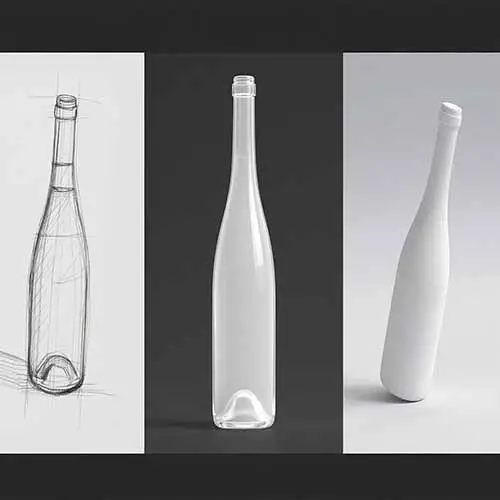
5. Decide Between a Stock Bottle and a New Mold
A stock bottle with customized decoration can reduce development work and help a brand move into sampling or production more quickly. A new mold provides greater control over silhouette, shoulder, base, embossing, and proprietary details, but it introduces additional engineering, sampling, and approval stages.
Use a stock design when speed, flexibility, and lower initial project complexity matter most. Consider a new mold when the shape itself is central to brand recognition and expected order volume can support the development work.
The Shang Art custom alcohol bottle process covers both routes, from matching an existing glass or ceramic bottle to developing a new bottle, cap, and box.
6. Plan the Gift Box and Shipping Carton
Secondary packaging should not be left until the bottle is complete. A decorative gift box affects the unboxing experience, while the shipping carton and dividers protect the bottle during handling and transport.
Provide the supplier with requirements for:
- Individual gift boxes or display packaging
- Paper, rigid board, leather-style, or other finishes
- Internal inserts and bottle orientation
- Units per export carton
- Pallet dimensions and stacking limits
- Barcode, handling, and destination markings
7. Prepare the Commercial and Market Information
Quantity affects the available bottle route, decoration process, packing method, and production plan. Instead of requesting a price for “custom bottles” alone, provide an estimated initial order and expected annual demand.
A useful request should include:
- Spirit type and target market
- Glass or ceramic preference
- Fill capacity and bottle dimensions
- Estimated first order and future volume
- Logo files and decoration references
- Closure and gift box requirements
- Filling location and delivery destination
- Required sample and launch timing
Minimum order quantities, sampling costs, production schedules, and freight depend on the selected bottle, decoration, inventory, and destination. A complete brief makes those conditions easier to evaluate accurately.
What Should You Send to Shang Art?
Send your bottle material, capacity, quantity, logo, preferred finish, closure, packaging, and destination to Shang Art. The team can compare available glass bottle styles and ceramic bottle styles, then discuss whether a stock model or a new design is the better starting point.
To request a catalog, sample plan, or project quotation, contact Shang Art at market@shang-art.com or WhatsApp +86 13939051903.
A bottle brief should also define how the concept will be verified. Saverglass’s project-development outline connects drawings, functional requirements, feasibility review, samples, production controls, and bottling-line recommendations.
Frequently Asked Questions
Can the bottle, cap, and gift box be customized together?
Yes. Coordinating these components from the beginning helps align fit, color, branding, protection, and presentation.
Is a stock bottle suitable for a premium spirits brand?
A stock bottle can support premium positioning when it is paired with appropriate decoration, closure, and secondary packaging. It can also reduce the development work required for an initial launch.
When is a new bottle mold worth considering?
A new mold is most useful when a proprietary silhouette or structural feature is essential to the brand and the project can support additional design, engineering, sampling, and production preparation.