
The Growing Market Demand for Wholesale Glass Liquor Bottles
Global Trends Shaping the Liquor Packaging Industry
The global market for wholesale glass liquor bottles is experiencing a remarkable upswing, impulsado por una confluencia de factores que reflejan la evolución de los gustos de los consumidores y los imperativos de la industria. El sector de las bebidas espirituosas, con su creciente cartera de whisky artesanal, ron artesanal, and boutique wines, is at the forefront of a packaging renaissance. Consumers, increasingly discerning, are gravitating towards products that not only offer a superior drinking experience but also come in packaging that exudes quality and authenticity.
Glass bottles, with their timeless aesthetic and inherent recyclability, have emerged as the packaging of choice for many premium liquor brands. Their ability to preserve the integrity of the spirit within, while also being environmentally friendly, aligns seamlessly with the global push towards sustainability. This is not just a passing fad; it’s a fundamental shift in consumer behavior, driven by a growing awareness of environmental issues and a desire to make more conscious purchasing decisions. As a result, the demand for glass liquor bottles is expected to continue its upward trajectory, with manufacturers scrambling to meet the needs of a market that is both growing and becoming more environmentally conscious.
Key Drivers of Demand
- Premiumization: In a saturated market, standing out is crucial. High – end liquor brands understand this well and use glass packaging as a powerful differentiator. The weight, sentir, and transparency of glass communicate luxury, making it a natural fit for brands aiming to target the upper echelons of the market. For instance, a limited – edition single – malt whiskey presented in a hand – blown glass bottle with intricate etchings immediately conveys a sense of exclusivity. This premium packaging not only attracts consumers willing to pay a premium but also enhances the brand’s image, creating a perception of a high – quality product that is worth the investment.
- Regulatory Compliance: The food and beverage industry operates under a strict regulatory framework, and for good reason. The inert nature of glass makes it a safe choice for liquor packaging, as it does not leach harmful chemicals into the spirit. This compliance with safety standards is non – negotiable, and glass bottles meet and exceed these requirements. In regions with stringent regulations, such as the European Union, where food safety is a top priority, glass is the go – to packaging material for liquor producers. It provides peace of mind to both producers and consumers, ensuring that the product inside is pure and uncontaminated.
- E – commerce Boom: The rise of direct – to – consumer (DTC) sales has revolutionized the liquor industry. With more consumers purchasing their favorite spirits online, the packaging has to serve multiple purposes. It needs to be durable enough to withstand the rigors of shipping, protecting the precious cargo inside from breakage during transit. At the same time, it must be visually appealing, as it is often the first thing the consumer sees when they open the package. A well – designed glass bottle can turn the unboxing experience into a memorable one, creating a positive first impression and potentially leading to repeat purchases. Por ejemplo, some distilleries include branded corkscrews or tasting notes inside the box, along with the glass – bottled spirit, enhancing the overall unboxing experience.
Essential Features of Wholesale Glass Liquor Bottles
Material and Design Variations
- Glass Types: The material of a glass liquor bottle is more than just a vessel; it’s a safeguard for the spirit within. Flint, or clear glass, is a classic choice, offering a crystal – clear view of the liquor, which is especially appealing for vodkas and gins that showcase their purity. Amber glass, on the other hand, is a natural UV shield. For light – sensitive spirits like wine or aged liquors, amber glass is a must – have. It filters out harmful UV rays that can degrade the quality of the spirit over time, ensuring that every sip is as the distiller intended. Colored glass, whether it’s deep blue for a touch of luxury or emerald green for a sense of tradition, not only provides protection but also adds a unique aesthetic. High – white glass, with its enhanced clarity, is often reserved for premium liquors. Its superior transparency gives the impression of a higher – end product, making it a favorite among brands looking to make a statement.
- Sizes and Shapes: The liquor market is as diverse as the bottles that hold its products. Standard capacities, ranging from 200ml miniatures perfect for sampling or travel, to the 750ml standard for most wines and spirits, and up to 1000ml for larger – scale consumption or bulk sales, ensure that there’s a bottle size for every occasion. These standard sizes also make it easier for producers to plan their production and distribution, as they can rely on established packaging infrastructure. However, it’s the customizable shapes that truly set brands apart. Round bottles, with their timeless appeal, are associated with tradition and familiarity. They are easy to hold and stack, making them a practical choice for both producers and consumers. Oval bottles offer a more elegant and sophisticated look, often used for premium or artisanal spirits. Square bottles, with their modern and geometric design, can make a bold statement on the shelf, while artisanal designs, such as hand – blown bottles with unique curves or patterns, add a touch of craftsmanship and exclusivity. These custom shapes can be tailored to a brand’s identity, si es rústico, mano – crafted charm for a small – batch whiskey or a sleek, modern look for a contemporary vodka.
Customization Capabilities
- OEM/ODM Services: In today’s competitive market, standing out is crucial, and customization is the key. Many suppliers offer Original Equipment Manufacturer (OEM) and Original Design Manufacturer (ODM) services, allowing brands to create bottles that are as unique as their spirits. Custom molding enables the creation of one – de – a – kind bottle shapes, from the sleek and minimalist to the ornate and elaborate. Embossing and debossing, where the brand logo or design is raised or indented on the bottle, add a tactile and visual element of luxury. Labeling, too, is a powerful tool for customization. High – quality labels with intricate designs, metallic finishes, or embossed details can transform a simple bottle into a work of art. Some brands even integrate additional decorative elements, such as frosted finishes for a touch of elegance or metallic coatings for a modern, alto – tech look. These customizations not only make the bottle more visually appealing but also help to build brand recognition and loyalty.
- Sealing Solutions: The seal of a liquor bottle is not just a matter of convenience; it’s essential for preserving the quality and flavor of the spirit. Corks, with their natural and traditional appeal, are a popular choice for wines and some high – end spirits. They allow the spirit to breathe slightly, which can enhance the aging process. Screw caps, on the other hand, offer a more modern and practical solution. They are easy to open and close, and provide a reliable airtight seal. Dropper tops, often used for liqueurs or bitters, offer precise dispensing, making it easier for consumers to measure out the right amount. These different sealing options not only ensure that the product inside remains fresh and flavorful but also enhance the user – friendliness of the bottle, making it more appealing to consumers.
Sustainability and Compliance
- Recycled Content: As the world becomes more environmentally conscious, so too does the liquor packaging industry. Many manufacturers are now using post – consumer recycled glass in their production processes. This not only reduces the demand for raw materials but also decreases the carbon footprint associated with glass production. Brands that use recycled glass are sending a clear message to their consumers: they care about the environment. Por ejemplo, a distillery that sources its glass bottles from a manufacturer that uses a high percentage of recycled content is not only making a sustainable choice but also appealing to the growing number of consumers who prioritize environmental responsibility in their purchasing decisions.
- Certifications: In a global market, compliance with international standards is non – negotiable. Certifications such as those from the Food and Drug Administration (FDA) in the United States and the EU food safety regulations ensure that the glass bottles are safe for food and beverage contact. These certifications guarantee that the glass does not leach harmful chemicals into the liquor, protecting both the consumer and the brand’s reputation. For liquor brands looking to expand globally, these certifications are a prerequisite, as they provide assurance to international distributors and consumers alike that the product meets the highest safety and quality standards.
Benefits of Wholesale Glass Liquor Bottles for Businesses
Brand Enhancement and Consumer Trust
In the cut – throat world of liquor sales, glass bottles stand out as an invaluable brand – building asset. When a consumer picks up a glass – bottled liquor, the first thing they notice is the smooth, cool feel of the glass in their hands. The transparency of glass acts like a window, allowing the rich color and clarity of the liquor to shine through, creating an instant visual appeal. This visual allure is further enhanced by the weight of the glass. A hefty bottle exudes a sense of substance and quality, which is often associated with luxury products.
Por ejemplo, a high – end brand of cognac presented in a thick, crystal – clear glass bottle immediately communicates opulence. The brand’s logo, perhaps embossed or engraved on the glass, becomes a symbol of prestige. This positive brand image not only attracts new customers but also nurtures long – term loyalty. Consumers are more likely to trust a brand that invests in high – quality packaging, as it gives the impression that the same level of care and attention has been put into the product inside.
Además, glass’s inert nature is a significant advantage. Unlike plastic, which can absorb and impart odors and flavors over time, glass remains neutral. This ensures that the unique flavor profile of the liquor, painstakingly crafted by distillers, remains intact from the moment it’s bottled until it reaches the consumer’s glass. This consistency in taste is crucial for maintaining brand reputation, as consumers expect a consistent experience with every purchase.
Cost – Effectiveness in Bulk Purchasing
For businesses with large – scale production requirements, buying wholesale glass liquor bottles is a financially savvy move. The principle of economies of scale comes into play here. When purchasing in large quantities, the per – unit cost of each bottle is significantly reduced. This cost savings can have a substantial impact on the overall production budget, allowing businesses to allocate resources more efficiently. For instance, a mid – sized distillery that switches from purchasing glass bottles in small batches to buying wholesale can see a notable decrease in its packaging costs over time.
In addition to the upfront cost savings, glass bottles offer long – term cost – effectiveness. Their durability is a key factor. Glass is a robust material that can withstand the rigors of transportation and handling. This reduces the risk of breakage during transit, which in turn minimizes replacement costs. Consider a shipment of glass – bottled liquor being transported across the country. With proper packaging, the likelihood of breakage is relatively low compared to more fragile packaging materials. This not only saves the cost of replacing damaged bottles but also reduces waste, which is both environmentally friendly and cost – efficient.
Furthermore, glass is highly recyclable. In an era where corporate social responsibility (CSR) is becoming increasingly important, businesses that use recyclable packaging materials like glass are aligning themselves with global sustainability goals. By investing in glass bottles, companies can contribute to the circular economy, which is not only good for the environment but can also enhance the company’s public image. Some consumers are even willing to pay a premium for products that are packaged in an environmentally friendly way, further justifying the investment in glass packaging.
Versatility Across Liquor Categories
The beauty of glass liquor bottles lies in their adaptability to a wide range of liquor categories. Whether it’s the smooth, mellow notes of whiskey, the clean, crisp taste of vodka, the rich, tropical flavors of rum, the complex bouquet of wines, or the sweet, indulgent taste of liqueurs, glass bottles can showcase each product to its fullest potential.
For whiskey, a classic – shaped glass bottle with a traditional cork or a heavy – duty screw cap can evoke a sense of tradition and heritage. The glass allows the deep amber color of the whiskey to be on full display, enhancing its visual appeal. Vodka, on the other hand, benefits from a sleek, modern – looking glass bottle that emphasizes its purity and clarity. The transparency of the glass is a perfect backdrop for the crystal – clear vodka, making it an attractive choice on the shelf.
When it comes to labeling and decoration, glass bottles offer endless possibilities. Screen printing can be used to create bold, vibrant designs that stand out on the shelf. Hot stamping adds a touch of elegance with metallic finishes, while shrink sleeves can completely transform the look of the bottle, allowing for intricate and detailed designs. This versatility in decoration means that glass bottles can be tailored to fit any brand’s image, whether it’s a traditional, old – world charm for a family – owned winery or a modern, edgy look for a trendy new vodka brand.
How to Choose the Right Wholesale Glass Liquor Bottle Supplier
Key Supplier Criteria
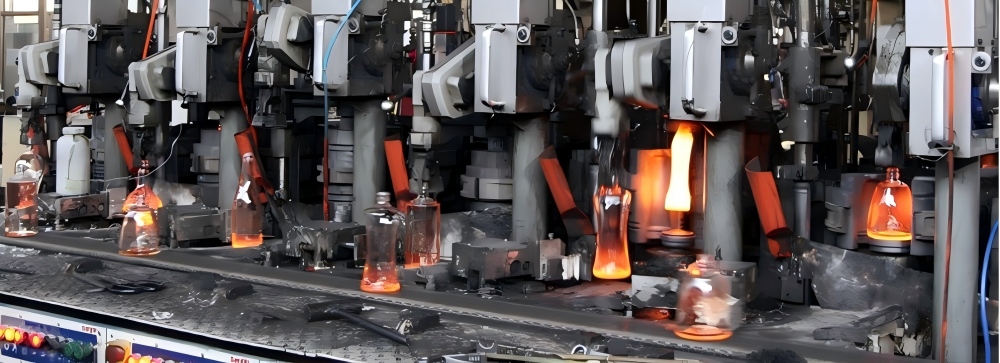
- Manufacturing Expertise: When scouting for a wholesale glass liquor bottle supplier, manufacturing expertise should be at the top of your list. Look for companies with a long – standing reputation in producing high – quality glass bottles. A supplier with years of experience is more likely to have mastered the intricate processes involved in glass production, ensuring that each bottle meets the highest standards of quality. For custom projects, design support is invaluable. A supplier that can provide in – house design teams or collaborate with external designers can help bring your unique bottle concepts to life. Rapid prototyping is another crucial aspect. It allows you to visualize and test your design ideas quickly, reducing the time it takes to get your product to market. Por ejemplo, if you have a revolutionary new bottle shape in mind for your craft gin, a supplier with rapid prototyping capabilities can turn your idea into a tangible prototype within a short period, enabling you to make any necessary adjustments before full – producción a escala.
- Logistics and Scalability: The ability to handle bulk orders is a must – have for any reliable supplier. As your business grows, you’ll need a partner who can scale up production to meet your increasing demands. Timely deliveries are equally important. In the liquor industry, where product launches and marketing campaigns are carefully planned, a delay in bottle delivery can throw off your entire schedule. A supplier that can provide accurate lead times and stick to them is essential. Shipping rates also play a significant role, especially if you’re operating in international markets. High shipping costs can eat into your profit margins, so look for suppliers who can offer competitive shipping rates or have partnerships with reliable freight forwarders. For instance, if you’re exporting your premium whiskey to Europe, finding a supplier who has experience in international shipping and can negotiate favorable rates with shipping companies can save you a substantial amount of money in the long run.
- Sustainability Commitment: In today’s environmentally conscious world, partnering with a supplier that shares your commitment to sustainability is not just a nice – to – have; it’s a necessity. Suppliers who use eco – friendly practices, such as incorporating recycled materials into their glass production, are making a positive impact on the environment. Recycled glass requires less energy to produce compared to virgin glass, reducing the carbon footprint associated with the manufacturing process. Energy – efficient production processes, such as using advanced furnaces that consume less fuel or implementing waste – heat recovery systems, are also signs of a sustainable supplier. By aligning with such a partner, you’re not only doing your part for the planet but also appealing to the growing number of consumers who prioritize sustainability in their purchasing decisions.
Evaluating Supplier Reliability
- Certifications and Reviews: Industry certifications are a reliable indicator of a supplier’s commitment to quality and compliance. ISO 9001, for example, is a globally recognized standard for quality management systems. A supplier with this certification has demonstrated that it has robust quality control processes in place, from raw material sourcing to the final product inspection. Other relevant certifications, such as those related to environmental management (p.ej., ISO 14001) or food safety, can also provide valuable insights into the supplier’s operations. Client testimonials and reviews are equally important. Reading what other customers have to say about their experiences with the supplier can give you a sense of the company’s reliability, product quality, and customer service. Online platforms, industry forums, and business directories are great places to find these reviews. Por ejemplo, if a supplier has consistently positive reviews about its on – time delivery and product consistency, it’s a good sign that you can expect the same level of service.
- Sample Testing: Before placing a large order, it’s always a good idea to request product samples. This allows you to assess the glass thickness, which affects the bottle’s durability and weight. A thicker glass may be more suitable for high – end products or those that need to withstand rough handling during transportation. The finish of the bottle, whether it’s a smooth, glossy surface or a textured, matte finish, can also impact the overall aesthetic. Sealing performance is crucial for preserving the quality of the liquor. Test the seals to ensure they are airtight and leak – proof. Por ejemplo, if you’re ordering bottles for a carbonated spirit, a faulty seal could lead to a loss of carbonation and a subpar product. By thoroughly testing the samples, you can make an informed decision about whether the supplier’s products meet your standards.