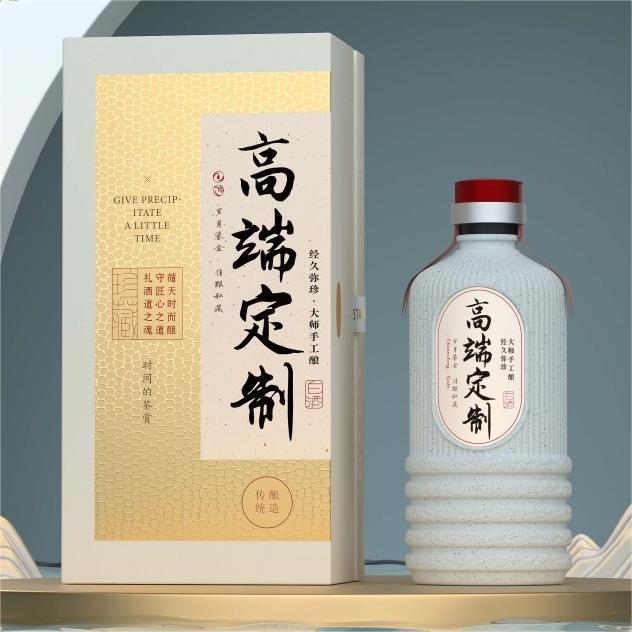
A custom liquor bottle sample is the point where a brand can compare the design with a physical container. It is also the best opportunity to find fit, decoration, filling, packing, and handling problems before mass production.
Approval should cover the complete package: bottle, closure, label or direct decoration, gift box, insert, and export carton. Use a written specification and record every approved detail.

What Should a Bottle Sample Prove?
The sample should answer whether the package can be manufactured, filled, closed, decorated, packed, transported, displayed, and opened as intended.
It should confirm:
- Bottle dimensions and capacity
- Base stability and handling
- Neck finish and closure fit
- Artwork size, color, position, and adhesion
- Compatibility with filling and capping equipment
- Gift-box fit and transport protection
- Overall alignment with the brand brief
The Shang Art custom bottle process includes design proposals, physical sampling, confirmation, production, inspection, and delivery planning.
1. Check the Bottle Against the Drawing
Measure the height, body width, base, neck, and important decoration areas. Confirm the nominal capacity and the agreed fill level. Inspect the sealing surface and any dimensions that affect the closure, label, filling line, case divider, or shelf.
For a shaped bottle, check orientation and symmetry. For a square or flat bottle, inspect panel alignment and corner consistency. For a ceramic bottle, review natural surface and glaze variation against the approved range.
2. Review Visual and Structural Quality
Inspect the bottle in bright, even light and from several angles. The exact criteria should be agreed for the project, but common review areas include:
- Cracks, chips, sharp areas, or unstable bases
- Visible glass inclusions, bubbles, seams, or deformation
- Ceramic body defects and glaze irregularities
- Consistency of shape and orientation
- Clean neck and sealing surfaces
- Raised decoration or embossing clarity
A premium appearance does not mean demanding impossible perfection. Define which variations are acceptable and which defects prevent filling, sealing, decoration, or sale.
3. Test the Closure on the Actual Bottle
Apply the production-intent closure to the sampled bottle. Review insertion or application, alignment, tamper evidence, opening, resealing, and removal force. Check the complete neck system rather than testing the bottle and cap separately.
If your project uses a synthetic cork with a decorative top, inspect both the functional stopper and the bond to the visible cap. If it uses a screw closure, confirm thread formation, liner contact, and application settings. Shang Art’s bottle cap guide can help you identify the closure direction before sampling.
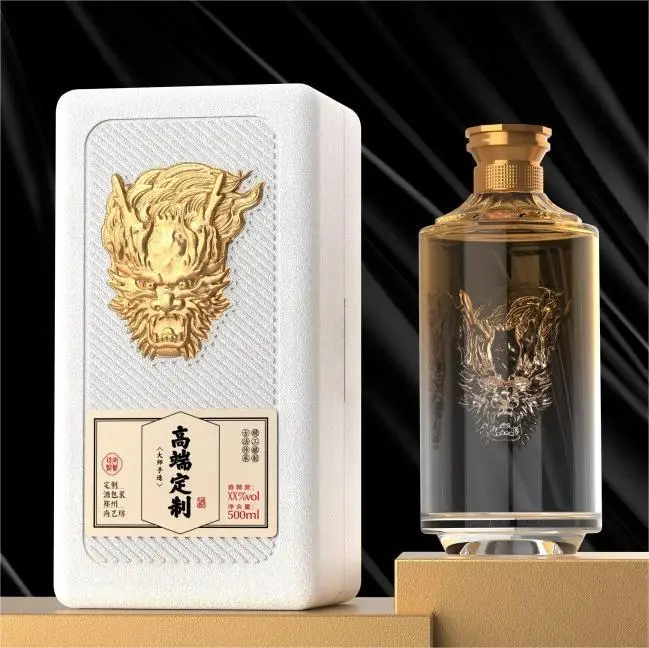
4. Inspect the Decoration at Real Size
Compare the physical result with the approved artwork and color reference. Check:
- Logo size and position
- Color accuracy and consistency
- Registration between colors
- Legibility of small text
- Foil or metallic coverage
- Adhesion and resistance to normal handling
- Alignment with the front, closure, and box
Look at the bottle upright, held in the hand, and inside the gift box. Reflective, translucent, or curved-surface decoration can change under different lighting and angles.
5. Run a Filling-Line Compatibility Trial
A bottle can look correct and still create problems on production equipment. When possible, run samples through the intended rinsing, filling, closure, labeling, coding, and packing steps.
Check conveyor stability, gripper contact, fill height, bottle orientation, capping access, label placement, code position, and transitions between machines. Record any equipment adjustments needed for the production bottle.
6. Approve the Gift Box and Export Carton
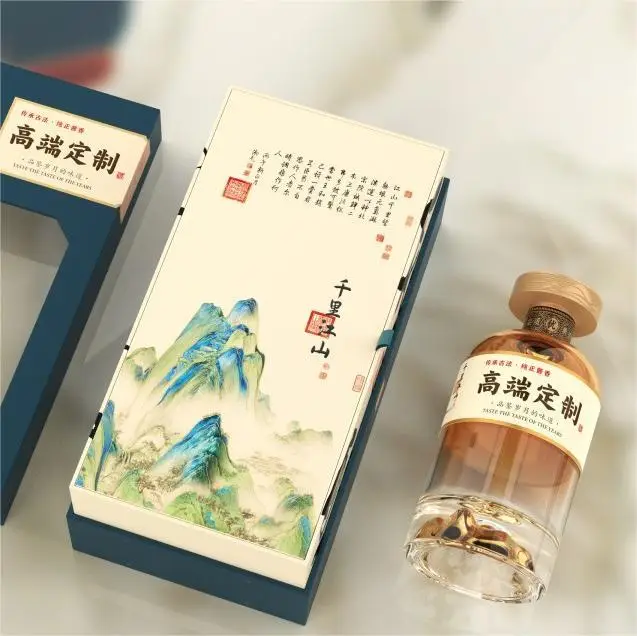
Place the completed bottle and closure inside the real insert and gift box. Check movement, rubbing, cap clearance, removal, presentation, and re-packing. Then evaluate the unit inside the export-carton divider and pallet pattern.
Transport tests can expose weaknesses that are not visible on a desk. The International Safe Transit Association explains that its procedures range from early design screening to simulations of distribution hazards. Review the available ISTA package test procedures with a qualified packaging laboratory to select an appropriate program.
7. Create a Signed Approval Record
Do not rely on a message that says the sample “looks good.” Create a clear approval record containing:
- Product code and version
- Approved drawings and capacity
- Bottle material, color, and finish
- Closure and liner or stopper code
- Artwork files and color references
- Gift box, insert, carton, and divider specifications
- Approved physical sample identification
- Agreed inspection criteria
- Date and authorized approval
If any component changes after approval, review the affected fit, appearance, performance, and packaging before production continues.
Use a Sample to Reduce Production Risk
Sampling is not only a design milestone. It is a practical control point that connects brand expectations with manufacturing, filling, packing, and distribution.
Shang Art can coordinate samples for available glass liquor bottle models and ceramic liquor bottle models, as well as discuss custom decoration, caps, and boxes.
To request a sample plan or quotation, contact Shang Art with your material, capacity, quantity, artwork, closure, packaging, filling location, and destination.
Sample approval should mirror the intended industrial process. Saverglass’s development outline describes trial-unit samples, decoration proofs, production controls, and bottling-line recommendations as connected approval stages.
Frequently Asked Questions
Is a visual rendering enough to approve mass production?
No. A rendering cannot confirm dimensions, capacity, weight, texture, closure fit, decoration adhesion, line compatibility, or transport protection.
Should the gift box be sampled with the bottle?
Yes. The box and insert need the final bottle dimensions, closure profile, weight, and decoration clearances.
What happens if artwork changes after sample approval?
Review the revised artwork on an updated proof or sample and assess whether the change affects printability, color, registration, packing, or compliance information.