

Sustainable glass liquor bottle packaging is not defined by one material claim or symbol. The bottle weight, recycled content, decoration, closure, gift box, transport distance, breakage rate, and end-of-life system all affect the result.
For a spirits brand, the practical goal is to reduce unnecessary material and transport impact without compromising product protection, filling-line performance, shelf presence, or customer trust.

Start With the Bottle’s Required Performance
Every reduction decision should begin with the distribution route and product requirements. A bottle must remain suitable for filling, capping, labeling, case packing, palletizing, transport, retail handling, opening, and use.
Define:
- Spirit and nominal fill volume
- Destination markets
- Filling and capping equipment
- Required bottle strength and handling
- Decoration and brand positioning
- Case, pallet, and transport conditions
- Local collection and recycling systems
Once these requirements are clear, unnecessary weight, complex components, and excess secondary packaging can be reviewed more intelligently.
1. Evaluate Bottle Weight
A heavier bottle uses more material and adds weight to every case and pallet. It may contribute to a substantial premium feel, but weight should be a deliberate brand and engineering choice rather than an automatic sign of quality.
Compare bottle options at the same nominal capacity. Review external dimensions, glass distribution, base design, strength, filling-line handling, and transport performance. Lightweighting should be validated through technical review and package testing rather than achieved by reducing material without considering the complete system.
Shang Art’s glass bottle collection includes different shapes and proportions that can be compared for brand fit, decoration area, case packing, and weight.
2. Ask About Recycled Glass Content
Recycled glass used in container production is commonly called cullet. Its availability and the achievable percentage can depend on glass color, quality requirements, manufacturing location, and the local recycling stream.
British Glass provides a practical buyer’s guide to recycled content in glass packaging that explains what recycled content means and why it matters in glass manufacturing.
If recycled content is important to the project, ask the supplier for a specific, supportable statement covering the selected bottle and production source. Avoid turning a general industry fact into an unsupported product claim.
3. Use Color With Recycling in Mind
Clear, amber, green, and custom-colored glass can interact differently with available cullet streams and brand requirements. A sprayed color on clear glass is also different from glass that is colored through the material.
Decide whether color is needed for product protection, brand recognition, or visual effect. Then compare material color, external coating, partial decoration, and removable label options.
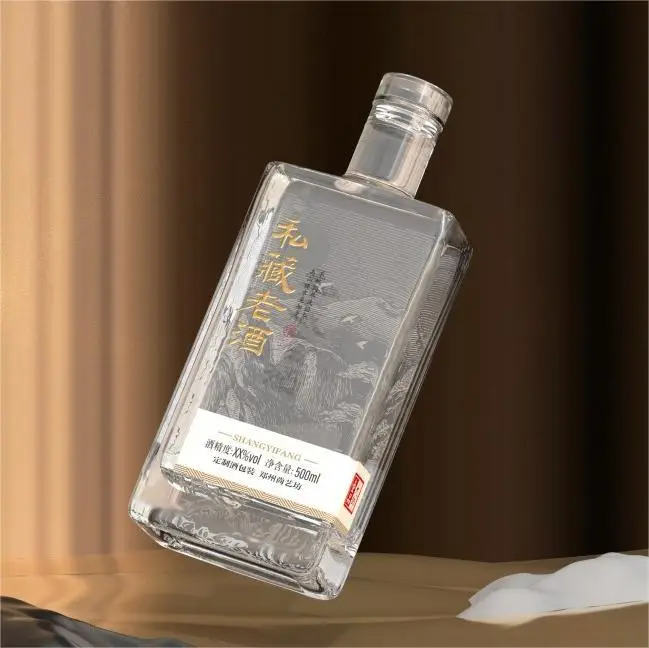
4. Simplify Decoration Where It Supports the Brand
Decoration creates recognition, but additional coatings, foils, sleeves, adhesives, and bonded accessories can make the package more complex. Review each element for a clear job:
- Does it communicate the brand?
- Does it carry required product information?
- Does it protect the contents?
- Can the same effect be achieved with less material or fewer processes?
- Can components be separated in the destination recycling system?
A focused screen-printed mark, a paper label, or a limited metallic accent may sometimes achieve a stronger result than covering every surface. The custom bottle service can coordinate the bottle, Logo method, closure, and secondary packaging as one design.
5. Review the Closure as a Separate Material System
Liquor bottle closures may combine metal, plastic, wood, ceramic, synthetic stopper material, liners, and decorative pieces. Choose the closure first for sealing and filling-line compatibility, then consider material use, separability, weight, and customer disposal.
A highly complex cap may be justified for a collectible edition, while a simpler closure may fit a high-volume core product. Shang Art’s bottle cap overview can help identify the materials and structures that require evaluation.
6. Reduce Unnecessary Secondary Packaging
Gift boxes can be important for premium spirits, but not every bottle needs multiple layers, magnets, plastic windows, foam, and laminated surfaces. Start with the protection and retail functions, then add only the presentation elements that support the brand.
Consider:
- A right-sized box
- A recyclable paper-based insert where suitable
- Fewer mixed materials
- Reduced empty space
- Efficient case packing
- Clear disposal information based on the sales market
7. Improve Case and Pallet Efficiency
A bottle’s external shape determines how many units fit in a case and how efficiently cases fit on a pallet. A dramatic silhouette can remain valuable, but its transport effect should be visible during the design decision.
Compare alternatives using units per carton, carton dimensions, gross case weight, cartons per pallet, and expected breakage protection. A package that ships more efficiently and arrives without damage avoids replacement product, packaging, and transport.
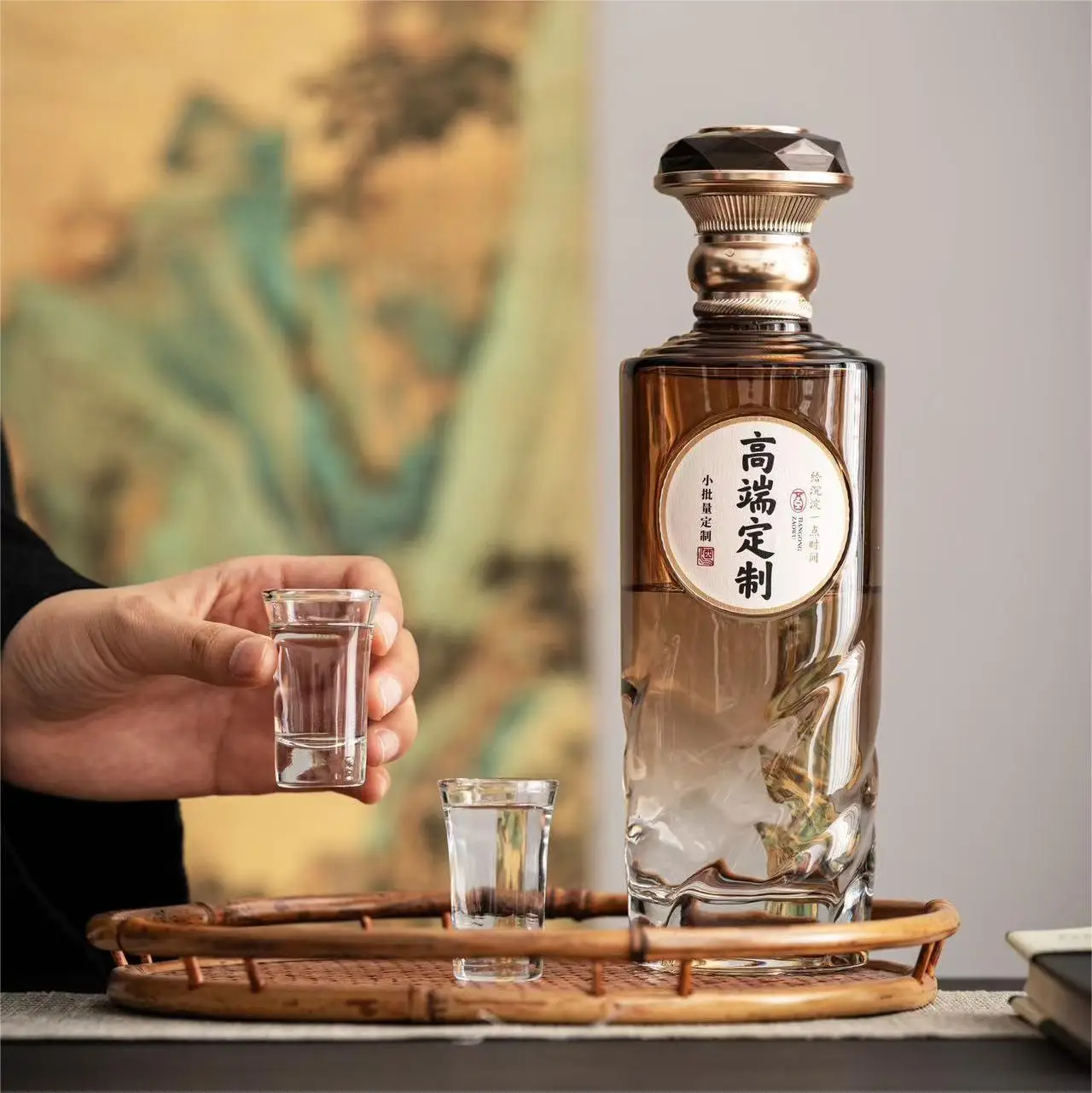
8. Make Claims That Can Be Supported
Use precise language. “Recyclable,” “contains recycled glass,” “lightweight,” and “lower impact” describe different things. A claim should identify the product, market, measurement, and evidence behind it.
Avoid broad claims such as “completely sustainable” or “zero impact.” Provide current supplier documents, test information, and a clear explanation of what has changed compared with the previous package.
Build a Practical Glass Bottle Brief
Send Shang Art the spirit type, fill volume, target markets, quantity, bottle-weight goals, recycled-content requirements, decoration, closure, gift box, filling location, and shipping destination. The team can compare existing glass alcohol bottle options and discuss how the full package supports the brand.
To request bottle options, samples, or a custom packaging quotation, contact Shang Art at market@shang-art.com or WhatsApp +86 13939051903.
Environmental comparisons need system-level evidence. FEVE’s life-cycle assessment resources provide methodology and life-cycle inventory data for container glass with different recycled-content scenarios.
Frequently Asked Questions
Is the lightest bottle always the most sustainable choice?
No. Weight matters, but the bottle also has to perform reliably through filling, packing, shipping, retail, and use. Evaluate the complete system and distribution route.
Does clear glass always contain the same recycled content?
No. Recycled content can vary by manufacturer, production location, glass color, available cullet, and product requirements. Request information for the selected bottle.
Can premium packaging use fewer materials?
Yes. Premium presentation can come from proportion, texture, print quality, restraint, and coordinated details rather than the number of materials or layers.