How to Choose a Closure for a Custom Liquor Bottle

A liquor bottle closure protects the product, fits the filling operation, and shapes the customer’s first physical interaction with the package. A beautiful cap that does not match the bottle finish or application equipment can delay production and create sealing problems.

Choose the closure as part of the complete bottle system. Compare the spirit, neck finish, opening experience, tamper evidence, storage, transport, and brand style before approving the design.

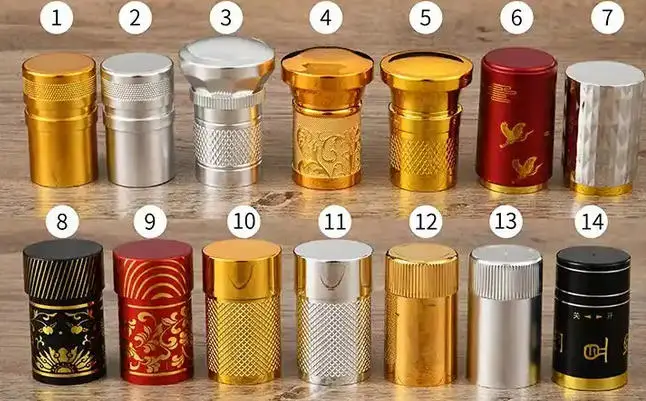
Bottle cap options for custom liquor bottles
The closure must combine reliable fit with the intended brand presentation.

Start With the Bottle Neck Finish

The bottle finish is the formed area at the top of the neck that receives the closure. Its diameter, sealing surface, thread or bead, height, and tolerances determine which closure can be applied.

Do not select a cap from appearance alone. Request a technical match between the bottle drawing and closure drawing, then test production samples together. A cork-style stopper needs the correct bore and insertion fit. A screw closure needs the correct thread and liner contact. A swing-top system needs compatible attachment points and gasket compression.

Shang Art’s bottle cap overview introduces plastic, metal, wood, and ceramic options as well as common closure structures.

When Is a Cork-Style Stopper Appropriate?

A cork or synthetic stopper is familiar in wine and premium spirits packaging. It can create a traditional opening ritual and can be combined with wood, metal, ceramic, or decorated top components.

Check the stopper diameter, insertion depth, extraction force, material compatibility, and consistency across the production batch. The top component must also remain secure during removal. If a capsule or tamper-evident band is used, include it in the sample review.

Cork-style closures work well with many bottles in the glass alcohol bottle collection, but the final selection must match the exact neck finish.

When Does a Screw Closure Make Sense?

A screw closure can support convenient opening, resealing, tamper evidence, and efficient line application. The liner creates the seal against the bottle rim, so the glass finish and application settings have to work together.

The Australian Wine Research Institute explains that a screw-cap seal relies on a liner compressed against the bottle-neck rim and describes the forces used during application. Its technical guide to applying screw-cap closures also shows why finish dimensions, liners, application, and inspection matter.

For a spirits project, confirm:

  • Thread and finish compatibility
  • Liner material and contact requirements
  • Application torque and capping equipment
  • Tamper-evident band performance
  • Opening and resealing experience
  • Resistance to transport and storage conditions

What Is the Role of a Swing-Top Closure?

A swing top uses a mechanical wire assembly and a stopper with a gasket. It creates a distinctive, reusable appearance and can suit craft spirits, liqueurs, specialty beverages, or gift packaging when the bottle is designed for the system.

Review gasket compression, wire tension, attachment security, opening force, and clearance around the bottle neck. Because the mechanism projects beyond the neck, the gift box and shipping dividers must provide enough space.

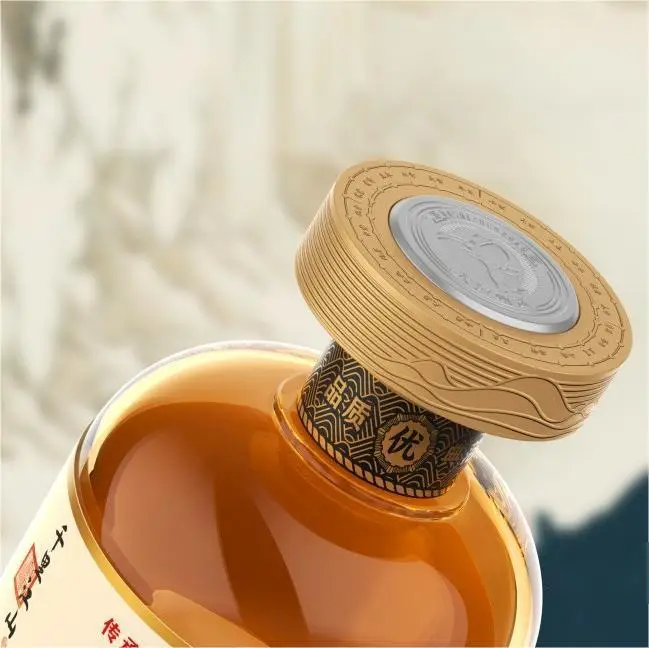
Custom glass liquor bottle cap and neck detail
Neck dimensions and closure fit should be checked on the physical sample.

How Do Decorative Top Caps Work?

A decorative top cap can be made from or finished with wood, metal, plastic, ceramic, or a combination of materials. It may sit above a functional synthetic stopper or another sealing component.

This approach separates two jobs: the internal component provides the seal, while the visible top supports the brand identity. Review the bond between the top and stopper, alignment after insertion, surface finish, logo position, and resistance to repeated opening.

Ceramic bottles such as the S28 Miao ceramic porcelain bottle demonstrate how the cap color and texture can be coordinated with the glazed bottle body.

Match the Closure to the Spirit and Customer Experience

The closure decision should consider more than the container material. Ask how the bottle will be filled, stored, opened, poured, resealed, and displayed.

Project priority Closure direction to evaluate
Traditional opening ritual Cork or synthetic stopper with a branded top
Convenient resealing Screw closure or suitable swing-top system
Premium visual statement Decorative wood, metal, or ceramic top over a functional seal
Mechanical craft character Swing top on a compatible bottle
High-speed line application A closure matched to the available capping equipment and controls

Test the Complete Closure System

Approve the bottle, 关闭, liner or gasket, capsule, 装饰, and box together. A practical review should include:

  • Visual inspection of the sealing surface
  • Dimensional checks against approved drawings
  • Trial application using intended equipment
  • Leak and orientation checks under agreed conditions
  • Opening and resealing trials
  • Fit inside the gift box and export carton
  • Inspection after transport testing

Record the approved component codes and samples. A later change to the bottle finish, stopper, liner, gasket, cap, or decoration can change system performance and should be reviewed again.

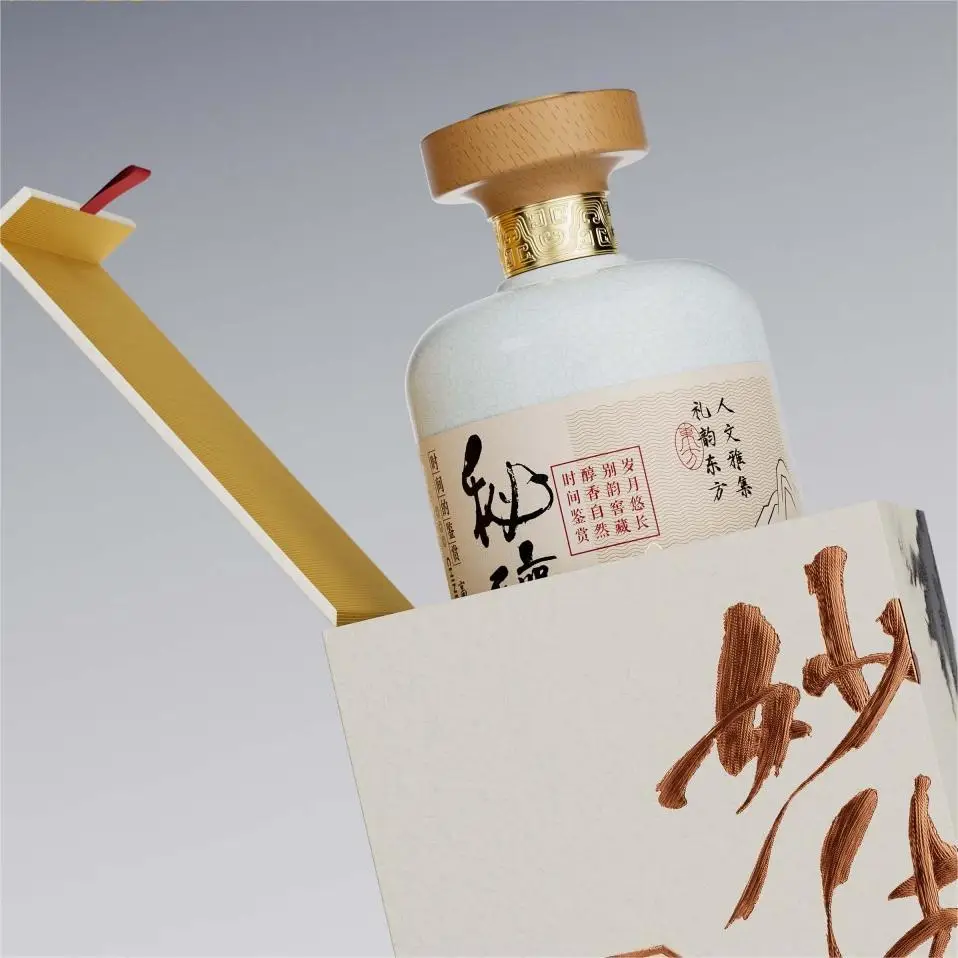
Ceramic liquor bottle with coordinated cap and packaging
A coordinated closure supports sealing, presentation, and protective packaging.

Develop the Bottle and Closure Together

During a custom alcohol bottle project, share the spirit type, bottle material, expected fill volume, closure preference, filling equipment, destination market, and gift-box concept. Shang Art can compare existing glass and ceramic bottles or discuss a new bottle and cap combination.

To request bottle and closure options, samples, or a quotation, contact Shang Art at market@shang-art.com or WhatsApp +86 13939051903.

For inserted stoppers, 这 AWRI’s cylindrical-closure guidance shows why closure dimensions, bottle-neck geometry, application settings, and post-bottling checks must be considered together.

Frequently Asked Questions

Can one closure fit several bottle models?

Only when the relevant neck-finish dimensions and tolerances are compatible. Confirm the match with technical drawings and physical samples.

Should the cap be selected before the bottle?

The best results come from selecting them together. The desired closure can influence the neck finish, 灌装线, 装饰, gift box, and overall silhouette.

Why test the closure after shipping simulation?

Vibration, impact, compression, and temperature changes can reveal movement, loosening, leakage, or packaging contact that may not appear during a visual inspection.